Procekistani Pillars
Despite being a small community, we have a very rich culture. And what is it that unites that culture? The process.
But what is it?
It is a superior entity that governs Procekistan above its political and spiritual leaders, some will say.
No, the Process was not actually born with Procekistan but was already in each of its members and it is what would lead them to meet at some point in their lives.
It is the religion of Procekistan, others will say, symbolizing the Trinity. Therefore, the Process is a single being that exists in and in three different ways, in Aldo, San Molotov, and the Guillotine.
It is the all-seeing eye that guides the leadership of Procekistan and exerts its influence in the Southern Cone.
It is all of that and more.
At the same time, it is a philosophy, made up of three different main pillars but which coexist together, and which also marked different periods of time.
Diogenism
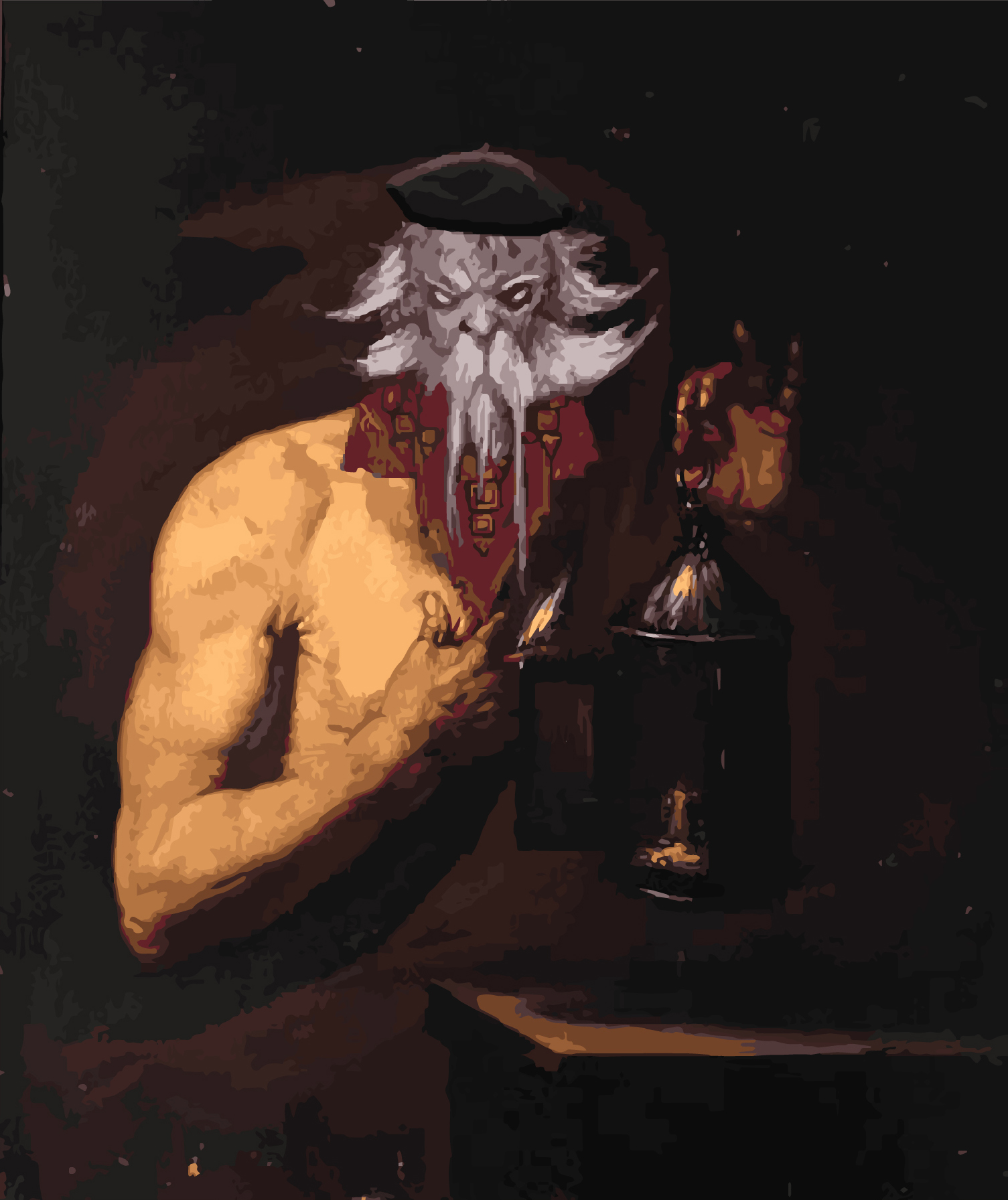
It is the philosophical and psychological pillar, the human and natural part. Its name comes from Diogenes, one of the most important members of Procekistan, and a true reflection of what the philosopher of Sinope could be if he lived today.
He was the one who promoted a mental awakening in the community, looking for everyone to be capable of doubting things and being able to constantly debate, as well as to question everything already established; not only to train players but thinking people. Something that was excellent for a group made up of the most varied ideologies and thoughts.
At the same time, the detachment from things, material in real life, and virtual within the game, was present in the community, referring to the territory. Teaching that we are not masters and lords of the world but another creature within nature. And with regard to the game as well, that it didn't matter if we didn't have anything or if we had a territorial empire because we were still the same.
It was the pillar that pondered as the first current of the Process, from the time of the State of La Pampa until the arrival in Vanuatu, where Molotovism later prevailed for more than a year. And it could be seen in everything, in a community where they constantly debated and thought among themselves how to solve problems or create new projects. It is very contrary to the other two pillars, but it is the one that makes them see reality, making them remember that they are not supreme beings, but that they are also human.
Molotovism
It is the religious and spiritual pillar, the dogmatic part of the Process.
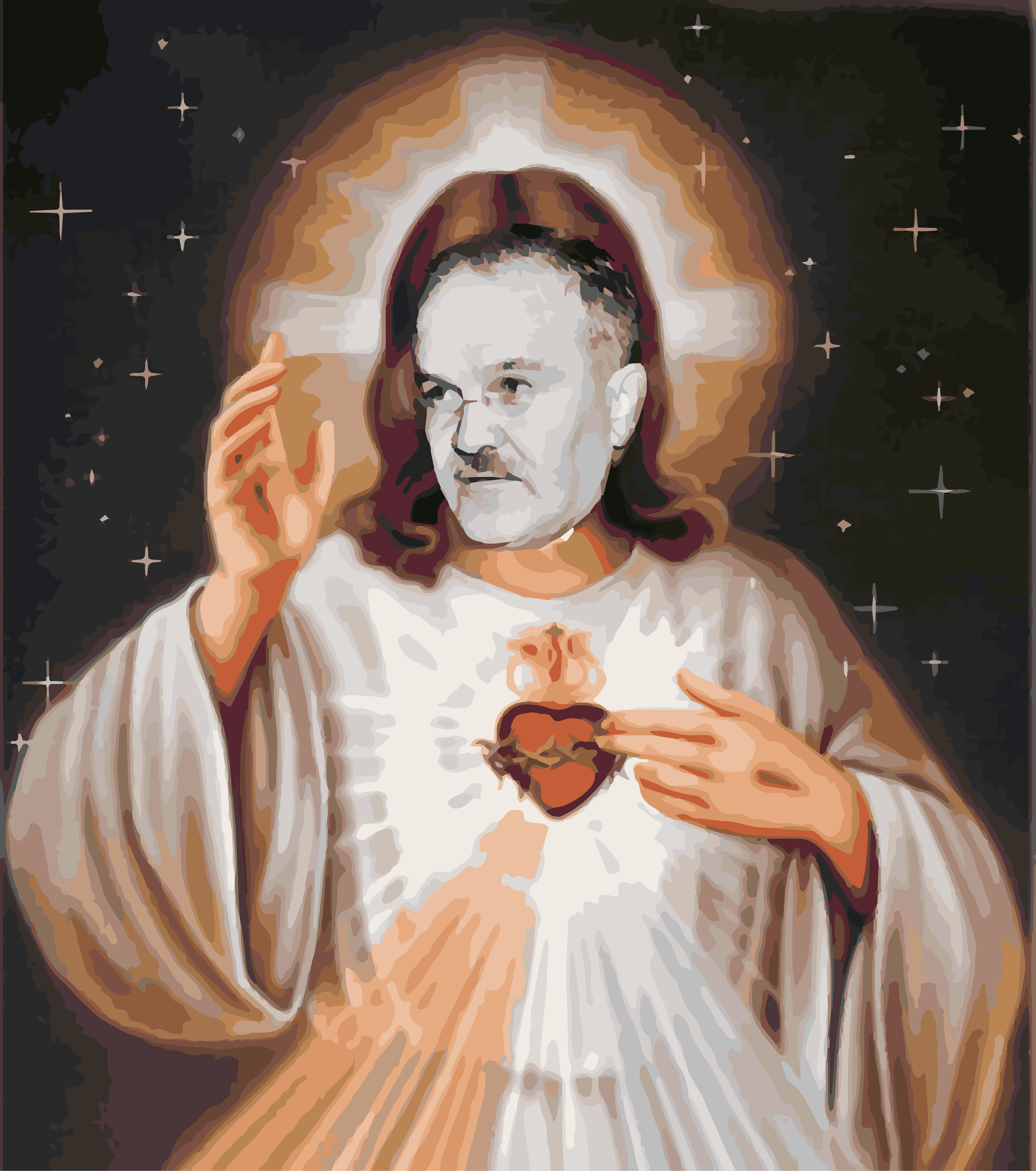
Contrary to its philosophical counterpart where everything pre-established, institutions and leaders are criticized, Molotovism is the worship of leaders, it is the idealization that there are figures that are not earthly and that they should be considered Gods due to the majesty of their exploits.
It comes from Molotov, another important member of Procekistan, capable of reasoning even the most staunch enemy in the game.
He was considered God after his leadership at the time of Vanuatu and that lasted during the Federation and his strong work and devotion for the Confederation, but also for his character as "protective father" of the community. It is also considered ironic since outside of the game he is a man of science.
It has a very complete off-game role, from the Holy Trinity of the Process, Pope Alan I, the priest Fernando, and his other saints, "San Víctor", the saint of revolutionaries, and "Santa Satoshi", leader of the war.
This second dogmatic current prevailed over the other two until the fall of the Austral Confederation, coexisting in parts with Caudillism, which was not yet 100 percent formed.
Caudillism
The last pillar, the political and warlike, strongly oriented to fascism from Roman readings.
Twinned to a certain extent with its religious counterpart in the sense that they distance themselves from Diogenism and from being considered simple creatures of nature. No, these two considered themselves masters and lords of power.
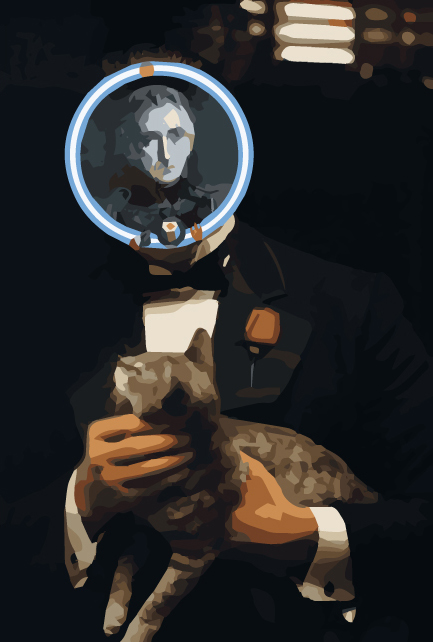
And the caudillism is that, the art of governing being the master and lord of power behind the curtain. His term stems from the Caudillo, another member who slowly rose to be considered Procekistan's most important political leader.
During his governments, and particularly throughout the Nueva Procekistan period, he imposed his particular style of governing. Much italic tint; fascist in the sense of a great union of the community, union in the same State and in the same party, exalting itself and the community above the others. Sectarian in the sense of the secrecy of the Council and the idea of pulling strings without anyone noticing. But also with his part of “Cosa Nostra”; both in showing respect to the worst enemy, and in being an ordinary community in sight, although behind it are leaders who govern the southern cone.
Outside of the game, it shows the same thing, you don't need luxuries to have power because that power is not bought, it is earned, showing that with sacrifice and cunning everyone can achieve their goals.